Experts Warn of the Hidden ‘Sun-Bleach’ Danger Ruining British Interiors This July
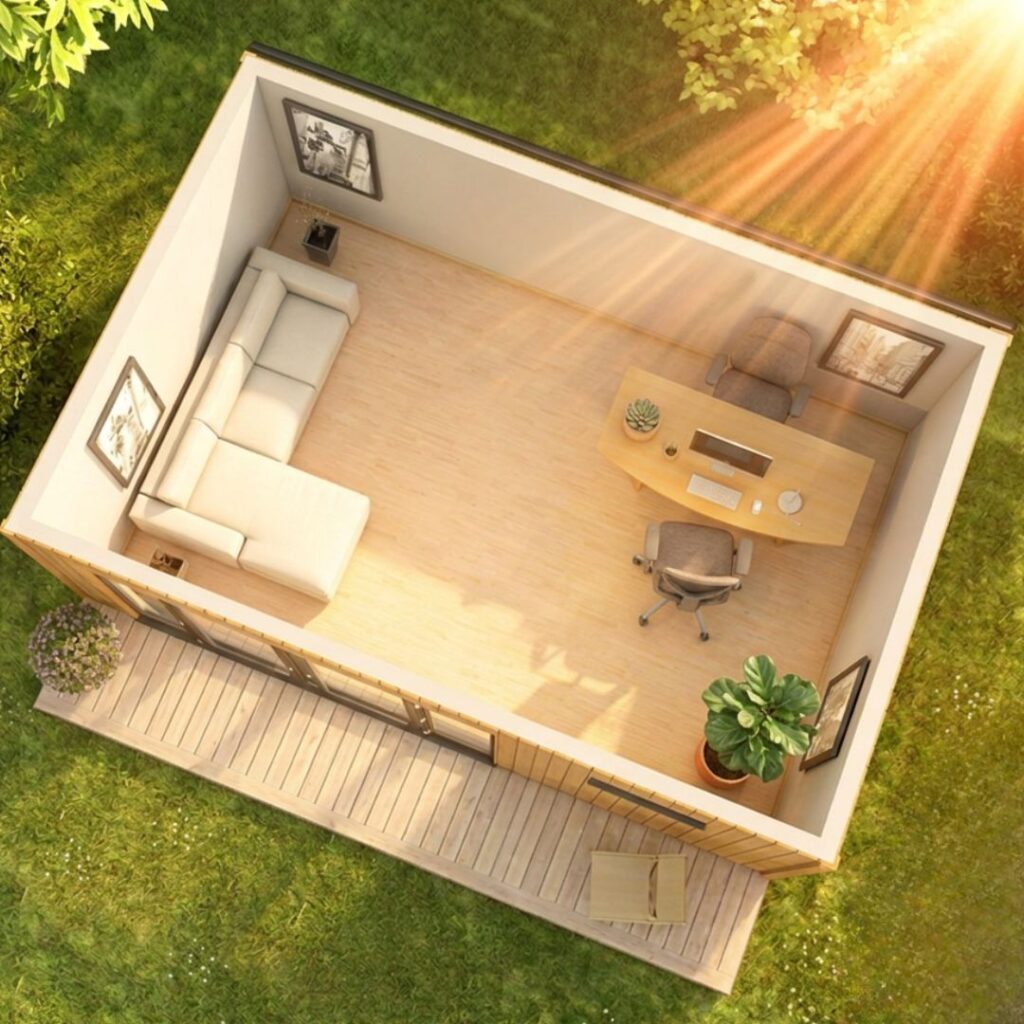
With the recent June heatwave shattering temperature records across the UK, millions of homeowners have spent weeks focusing on keeping their properties cool. However, design and property experts are warning that Brits are overlooking a much quieter, costlier summer threat currently taking place inside their living spaces: sun bleaching.
Data from the Met Office confirms that the UK has seen a 4% increase in overall sunshine hours over the last 30 years, the sunniest year on record in UK history. As a result, British interiors are now being exposed to unprecedented levels of intense UV radiation.
Experts point out that it isn’t actually the ambient summer heat that causes our favourite home interiors to fade, warp, or crack; it is the sheer, sustained strength of the sun’s rays breaking down chemical bonds in dyes and materials.
Rooms explicitly designed to maximise gorgeous natural light, such as open-plan extensions, traditional conservatories, and modern garden rooms, are the most vulnerable to this summer damage. However, experts stress that the solution is not to draw the curtains and live in darkness. Natural light is absolutely essential for human health, significantly boosting Vitamin D levels, regulating our sleep cycles, and drastically improving overall daily mental well-being and mood.
According to Lori at Contemporary Garden Rooms, the key to protecting bright, glazed spaces is managing UV rays and heat without sacrificing natural light. For homeowners with garden rooms, glazed extensions and conservatories, she recommends considering specialist anti sun glazing alongside a few simple interior design tricks to help protect furniture, flooring and décor from summer sun damage.
“Large windows, glazed extensions and garden rooms are fantastic for bringing natural light into a home, but they also receive much greater exposure to heat, glare and UV rays during the summer. For customers using their garden room as a home office or studio, we often recommend upgrading to grey anti sun glazing, which helps reduce heat, glare and UV exposure while still letting in plenty of daylight. Alongside that, a few simple interior design changes can help protect furniture, flooring and artwork from long term sun damage.”
How to Save Your Interiors From Summer Sun-Bleaching
1. The Furniture Rotate (Fabrics & Materials)
Direct UV rays degrade the fibres and dyes in home fabrics, leading to rapid, uneven fading.
Dark velvets, heavy cottons, and real leather are the most vulnerable. Sunlight strips the natural moisture right out of leather, causing it to stiffen and permanently crack over time.
Rotate your freestanding furniture by 180 degrees every July to ensure even exposure, preventing stark, patchy fade lines. If you have a favorite armchair directly in the sun’s path, drape a light, aesthetic linen throw over it during peak afternoon hours (11am – 3pm) to take the brunt of the UV hit.
2. Protecting Your Flooring (Wood & Rugs)
People often don’t notice floor bleaching until they move a piece of furniture or a rug and find a dark, unfaded silhouette underneath.
Natural hardwoods (like oak and walnut) will either bleach or drastically darken under UV rays. Meanwhile, cheap synthetic rugs can actually heat up and fuse slightly to the floor backing beneath them.
Switch to performance outdoor rugs inside your high-glass rooms during the summer months. They are explicitly manufactured with UV-inhibitors, meaning they won’t fade or degrade under intense sunlight. For wooden floors, ensure they are sealed with a high-quality UV-resistant lacquer rather than a standard oil.
3. Protecting Artwork and Wallpapers
Watercolour paintings, family photographs, and mass-market wallpapers will lose their crispness and turn yellow or washed-out within a single sunny season.
Never hang sentimental artwork directly opposite a south-facing window. If you have a gallery wall in a bright room, swap standard glass frames for UV-protective acrylic or museum-grade glass, which filters out up to 99% of harmful rays. When choosing feature wallpapers for bright rooms, check the roll label for the “sun” symbol. Look for a rating of “good” or “exceptional” lightfastness.
4. Retrofitting Existing Windows: Clear UV Window Films
If you already have beautiful, large windows or an existing conservatory and want to protect your interiors without undergoing a major renovation, you can retrofit your current glass.
Homeowners can apply optically clear, museum-grade UV window films directly onto their existing panes. These could be referred to as “invisible sunscreen for the home”! These specialised, sticky-back films block up to 99.5% of all harmful UV radiation. Crucially, because they are entirely clear and untinted, they do not compromise on natural daylight or alter the exterior appearance of your property. They can be installed as a straightforward weekend DIY project and are designed to be entirely damage-free, meaning they can be removed down the line without leaving a sticky residue or harming the glass.
5. The “Leafy Shield” Trick (For Conservatories & Garden Rooms)
If you love the look of clean, un-blinded windows but want to protect your interior styling, let nature do the work. Position large, sun-loving statement plants, like Monsteras, Bird of Paradise, or Fiddle Leaf Figs, directly in the path of the heaviest light streams. They will thrive on the intense July sun, absorbing the radiation and creating a dappled, natural shade barrier that protects the furniture and paintwork behind them.
6. Architectural Upgrades: Low-E Glass
If you are currently building an extension or a garden room, look closely at the glass specification. Premium contemporary builds utilise Low-E (low-emissivity) glass with solar control. This features a microscopic, invisible metallic coating that allows all the beautiful, mood-boosting natural light into the room while actively deflecting the invisible UV and infrared rays that cause bleaching and overheating.
7. Protect Exterior Cedar Cladding
While homeowners often focus on protecting what’s inside their garden room, the exterior also benefits from UV protection. Cedar cladding naturally weathers over time, gradually turning a silvery grey when exposed to sunlight. While many people like this aged appearance, those wanting to preserve the cedar’s rich brown tones should apply a quality UV protective exterior oil after installation and recoat every one to three years, depending on the level of sun exposure. Regular maintenance helps protect the timber while keeping the garden room looking its best for years to come.